
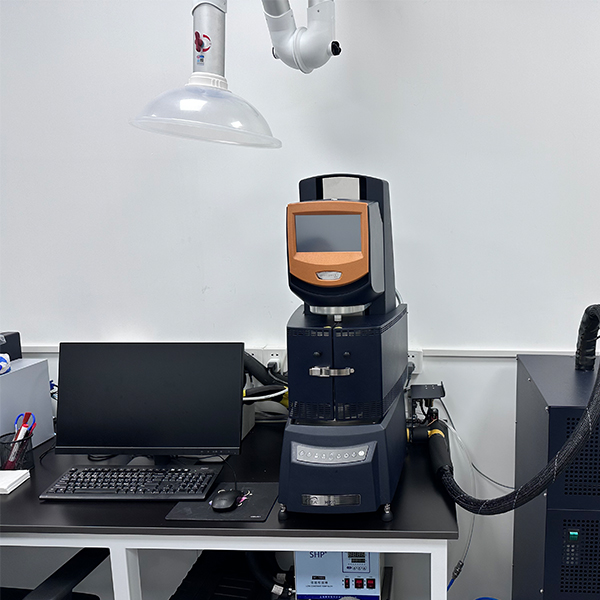
Brief description:A rotational rheometer is the key instrument for characterizing the flow and deformation behavior of adhesives. Dehui represents TA Instruments’ Discovery HR10, HR30, and G3 series, which use magnetic bearing technology, with a minimum torque as low as 0.5 nN·m, covering full rheological characterization from low-viscosity fluids to high-strength solids. The three models suit different torque accuracies and applications—HR10 is the everyday R&D workhorse, HR30 is the high-precision multifunctional flagship, and G3 is aimed at production line quality control.
Industry Applications:Steady flow curves of pressure-sensitive adhesive coating fluids — to determine coating window and leveling; thixotropy and structural recovery tests of adhesives — simulating the entire process of coating, transfer, and resting in three shear stages; Dahlquist viscosity criterion verification — storage modulus (G') frequency scan; hot melt adhesive viscosity-temperature curves — guiding the hot melt coating temperature range; adhesive yield stress measurements, etc.
Detailed
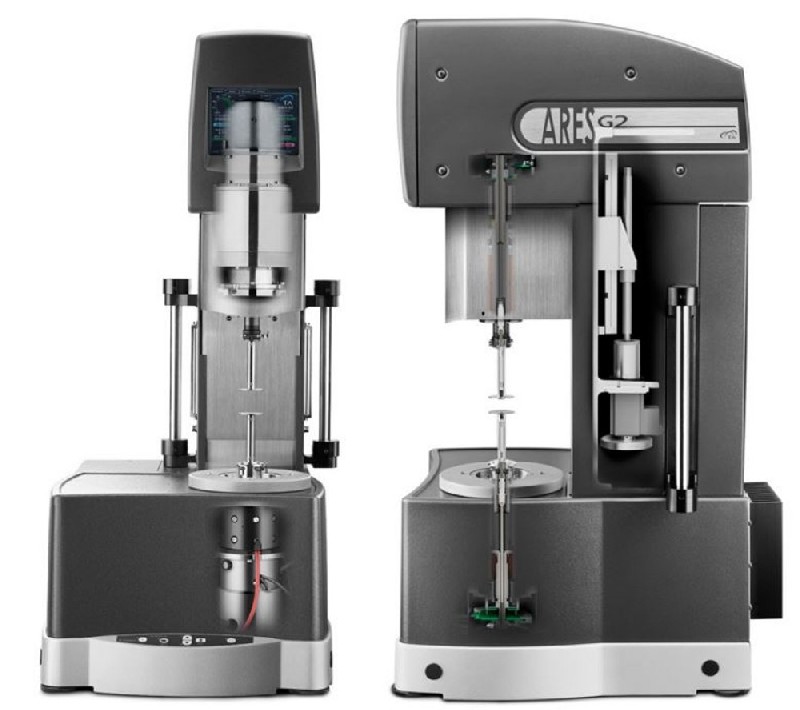
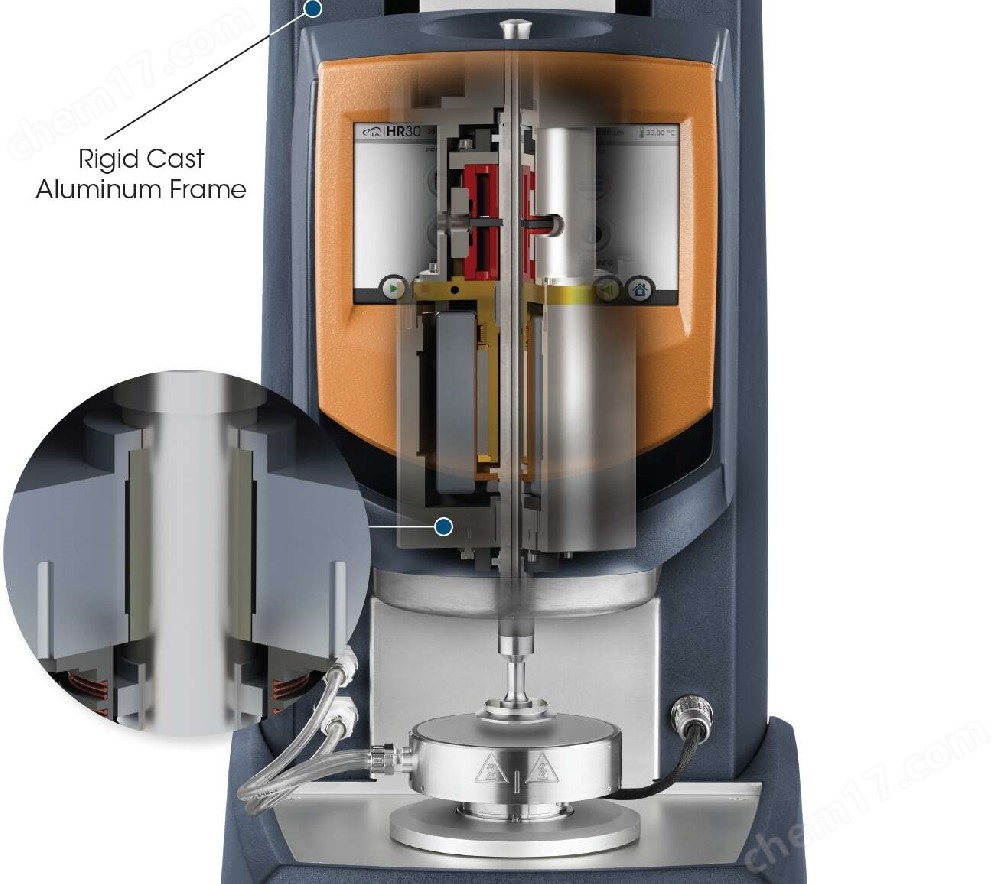
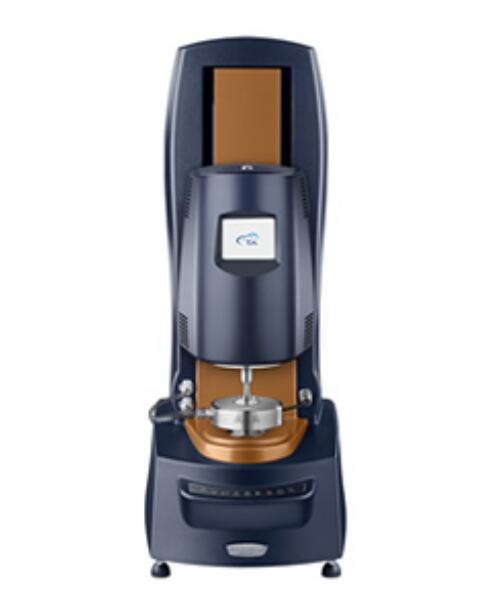
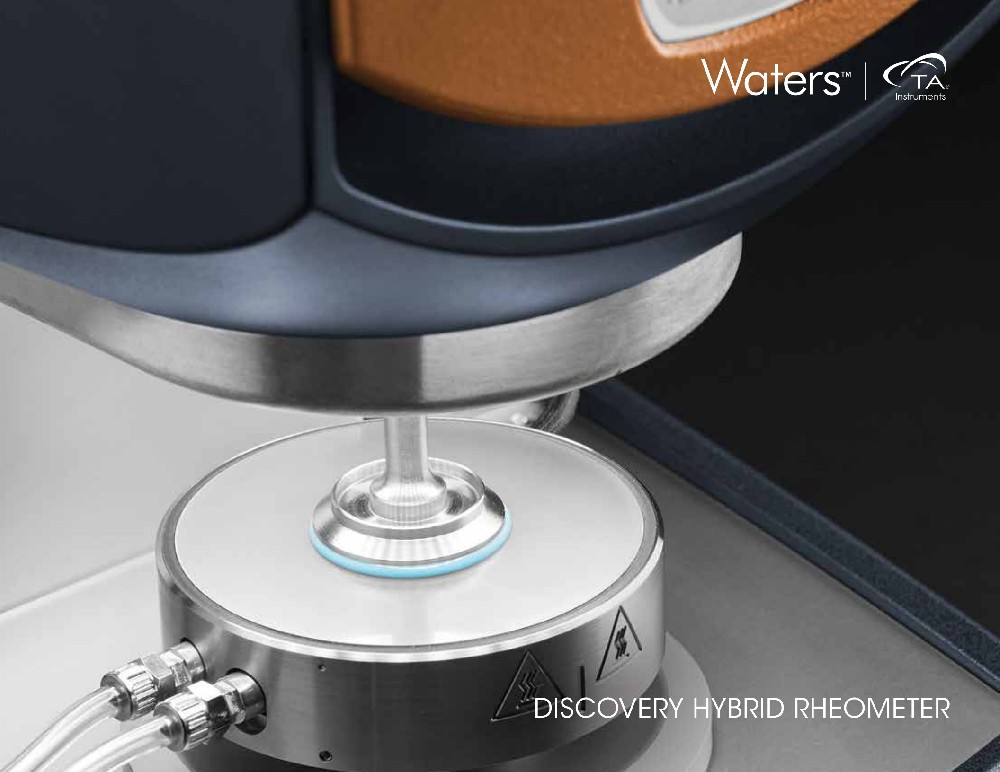
A rotational rheometer is a key instrument for characterizing the flow and deformation behavior of adhesives. It can perform a full range of rheological analyses on a single device, from steady-state flow tests (viscosity curves, thixotropy, yield stress) to dynamic oscillation tests (storage modulus G', loss modulus G'', complex viscosity η*). The TA Instruments Discovery HR10, HR30, and G3 series rotational rheometers, represented by Dehui, use magnetic bearing technology, with a minimum torque as low as 0.5 nN·m, allowing seamless measurement from very low viscosity to solid materials. For the pressure-sensitive adhesive industry, the zero-shear viscosity measured by the rheometer is directly related to the coating process window; the frequency-dependent curves of G' and tan δ reveal the Dahlquist criterion for adhesive tackiness (G'< 3×10⁵ Pa @1 Hz); the three-step thixotropy test (low-high-low shear) can simulate the entire coating→lamination→rest process, predicting the actual performance of adhesives on the production line.
Industry applications:
Steady-state flow curves for pressure-sensitive adhesive coatings — to determine coating window and leveling (assessing shear-thinning behavior)
Thixotropy and structural recovery testing of adhesives — three-step shear simulates the full coating-transfer-rest process
Dahlquist tackiness verification — storage modulus G' frequency scan (target G'<3×10⁵ Pa)
Hot melt adhesive viscosity-temperature curves — to guide hot melt coating temperature range and open time settings
Adhesive yield stress measurement — to determine whether filler will settle when the adhesive rests
Product inquiry