
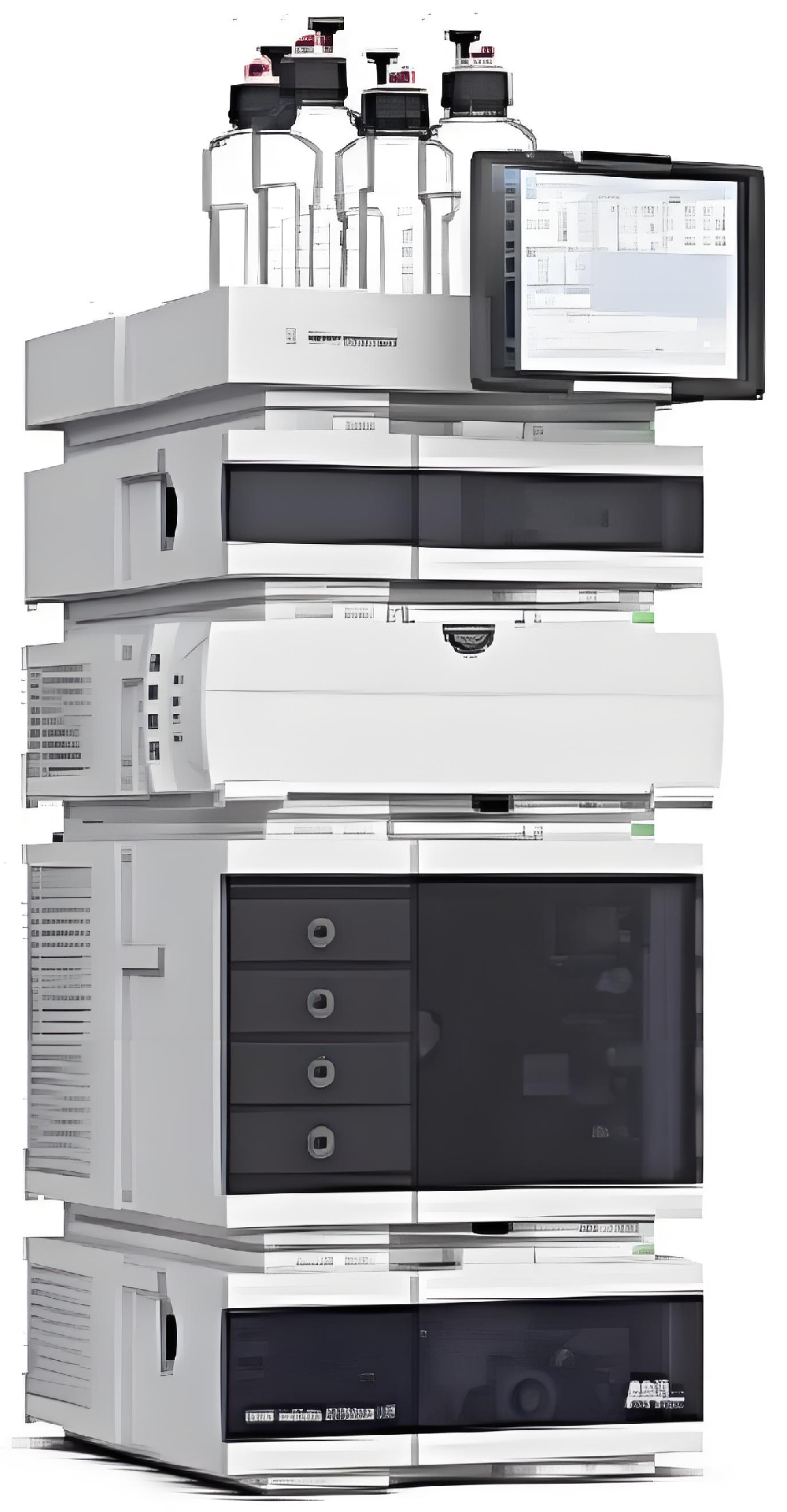
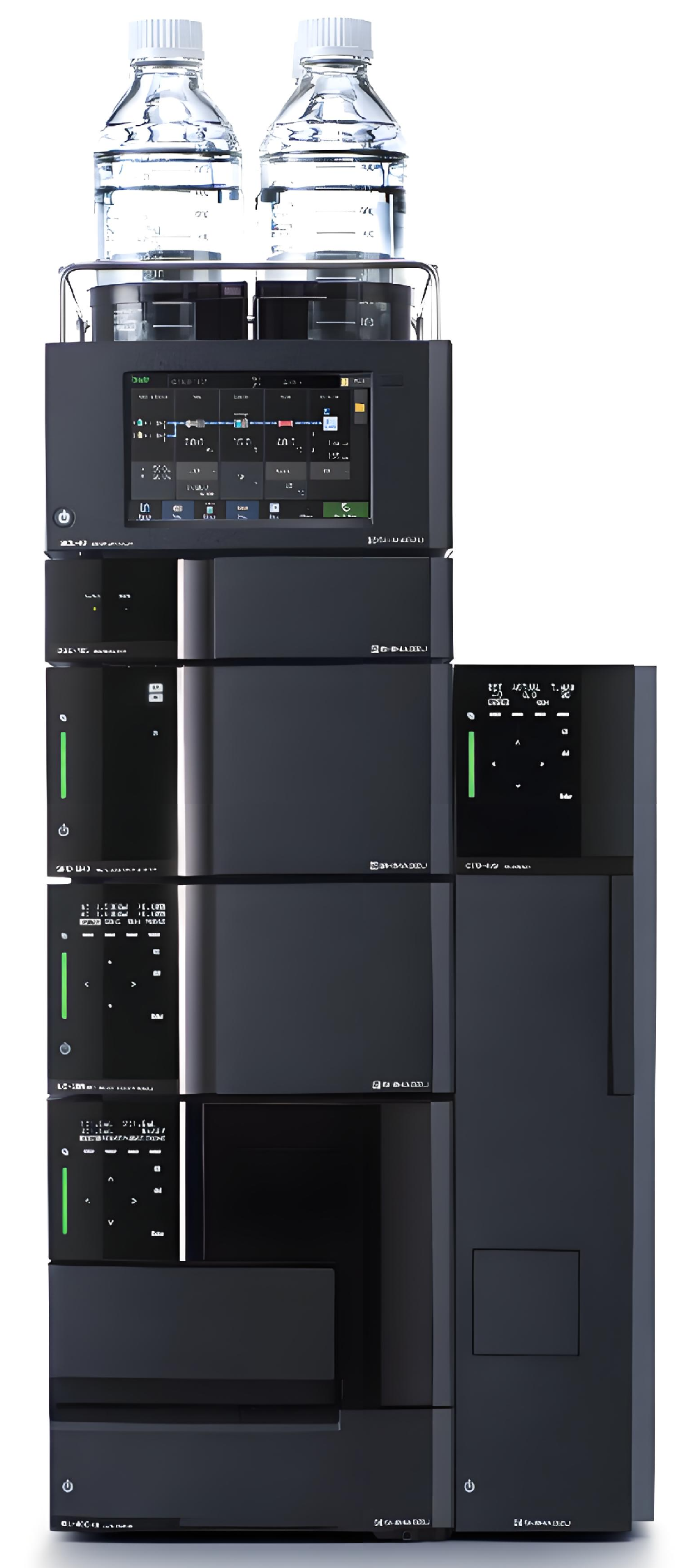
Brief description:A liquid chromatograph is one of the essential tools in modern analytical chemistry. It works based on the principle of chromatography, separating substances by the differences in their distribution between the stationary phase and the mobile phase. When a sample solution containing multiple components enters the chromatography column, each component moves at a different speed due to differences in adsorption, dissolution, and distribution between the stationary and mobile phases, allowing them to be separated. The separated components then enter the detector one by one.
Industry Applications:Testing the purity of chemical raw materials and measuring VOC aldehyde and ketone compounds.

Detailed
A liquid chromatograph is one of the essential tools in modern analytical chemistry. It works on the principle of chromatography, using differences in how substances distribute between a stationary phase and a mobile phase to separate them. When a sample solution containing multiple components enters the chromatography column, the differences in how each component adsorbs, dissolves, or partitions between the stationary and mobile phases cause them to move at different speeds through the column, achieving separation. The separated components then enter a detector one by one, which converts their concentrations into electrical signals, producing a chromatogram.
Product inquiry